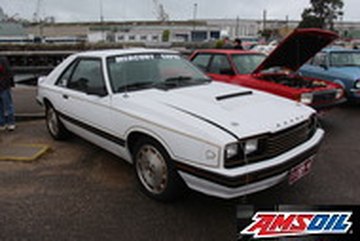
Lubrication Maintenance for the 1980 Mercury CAPRI 3.3L
Maintaining a vehicle from the early 1980s requires a shift in perspective compared to modern automotive care. For owners of a 1980 Mercury CAPRI equipped with the 3.3L engine, routine lubrication service is one of the most effective ways to manage the mechanical health of the powerplant. Because older engines often operate under different thermal and friction profiles than contemporary designs, consistent monitoring of fluid condition and system integrity is essential for long-term operation.
Monitoring Fluid Integrity and Consumption
One of the primary responsibilities in engine care is observing how the lubricant behaves over time. Rather than simply waiting for a scheduled interval, an attentive owner should monitor for any changes in the volume or appearance of the oil. If you notice that the level on the dipstick is dropping more rapidly than expected between services, it warrants a closer investigation into potential sources of loss.
Changes in the physical properties of the lubricant can also serve as indicators of engine health. For example, if the oil appears excessively dark or has a gritty texture, it may suggest that the filtration process is being challenged or that combustion byproducts are accumulating more quickly than anticipated. Similarly, any unusual odors associated with the engine bay during operation should be noted, as these can sometimes be linked to fluids contacting warmer external components. Because symptoms like these can have multiple underlying causes, they should be treated as prompts for a thorough inspection rather than immediate diagnoses of specific component failures.
Observing Potential Warning Signs
While modern vehicles rely heavily on electronic sensors and dashboard indicators, maintaining an older vehicle often requires more reliance on sensory observation. When performing routine checks, look for any visible signs of seepage around the engine block or near various sealing surfaces. Even small amounts of fluid accumulation can eventually lead to larger issues if left unaddressed.
It is also useful to remain observant of how the engine sounds during startup and throughout its operating cycle. While mechanical noise is a broad category, any new or rhythmic sounds that coincide with engine operation should be investigated. Furthermore, if you notice changes in exhaust characteristics—such as smoke that differs from the normal clear output—this can be an indication that something in the combustion process or lubrication system requires attention. Always remember that these signs are not definitive proof of a single failed part; they are signals that the vehicle's current state warrants professional verification.
Prioritizing Maintenance Based on Current Condition
For a 1980 Mercury CAPRI, effective ownership involves moving away from rigid, age-based replacement schedules and toward condition-based maintenance. As vehicles age, the priority of service tasks often shifts. Instead of replacing parts simply because they have reached a certain chronological age, it is more practical to focus on the actual state of the components.
If you are stepping into ownership of this vehicle without a complete service history, your first goal should be to establish a maintenance baseline. This involves performing a comprehensive inspection of all fluids and accessible mechanical components to understand the current "starting point" of the engine's health. Once this baseline is set, you can prioritize tasks based on immediate needs—such as addressing active leaks or replacing heavily contaminated filters—before moving into more advanced preventive measures. Keeping a detailed log of every oil change, filter replacement, and observed leak will help you distinguish between routine wear and emerging issues, allowing for much more informed decision-making over the life of the vehicle.
Inspecting Aging Components and Seals
As the rubber and composite materials in an engine compartment age, they can lose their ability to maintain a tight seal. When performing inspections on the 3.3L engine, it is wise to look closely at various gaskets and seals for signs of weeping or seepage. This does not necessarily mean a component has failed, but rather that the material may be reaching the end of its effective service life.
In addition to seals, other age-sensitive items should be part of your routine. If equipped, inspect accessible drive belts for any evidence of cracking, glazing, or fraying. Similarly, if the vehicle is present with various rubber hoses, check them for excessive softness, hardening, or visible cracks. Maintaining these peripheral components helps ensure that the engine operates within its intended parameters and prevents secondary issues caused by a loss of pressure or cooling efficiency. A proactive approach to inspecting these materials can often prevent more significant mechanical interruptions.
The Role of Clean Lubrication in Engine Longevity
The oil within the 3.3L engine performs several vital roles that extend far beyond simple lubrication. It acts as a medium for heat management, helping to carry thermal energy away from high-friction areas. It also serves as a cleaning agent, suspending microscopic particles and preventing them from settling into deposits or sludge that could obstruct internal passages.
Maintaining the cleanliness of this fluid is critical because the accumulation of contaminants can eventually alter the oil's ability to protect the engine. By ensuring that the lubricant is changed according to a consistent schedule and that the filtration system is functioning correctly, you help maintain the chemical stability of the oil. This stability is what allows the lubricant to continue providing protection against friction and oxidation throughout its service life.
Practical Guidance for BUYING ENGINE OIL for your 1980 Mercury CAPRI 3.3L
When it is time to replenish the lubrication in your 1980 Mercury CAPRI 3.3L, the most important step is to ensure the product you select matches the specific requirements of your engine. Rather than relying on general assumptions about what an older vehicle might need, always refer to the application-specific oil viscosity and requirements listed on this webpage.
When shopping for products, consider the following practical steps:
- Match the Application: Use the specific viscosity information provided in the technical data above to ensure the lubricant meets the physical demands of your 3.3L engine.
- Verify Quality: Look for modern API (American Petroleum Institute) certifications on the product label to ensure the oil meets current standards for detergent and anti-wear properties.
- Evaluate Formulations: Depending on your specific needs, you may encounter conventional oils, synthetic blends, or full synthetic options. Some high-mileage formulations also include seal-conditioning additives intended for use in aging engines. Choose the formulation that best aligns with the guidance provided in your vehicle's application information.
- Check the Label: Always double-check the container to confirm that the grade and specifications match what you intend to use before pouring.